
Practical diabetes nutrition
What Makes a Balanced Breakfast for Diabetes?
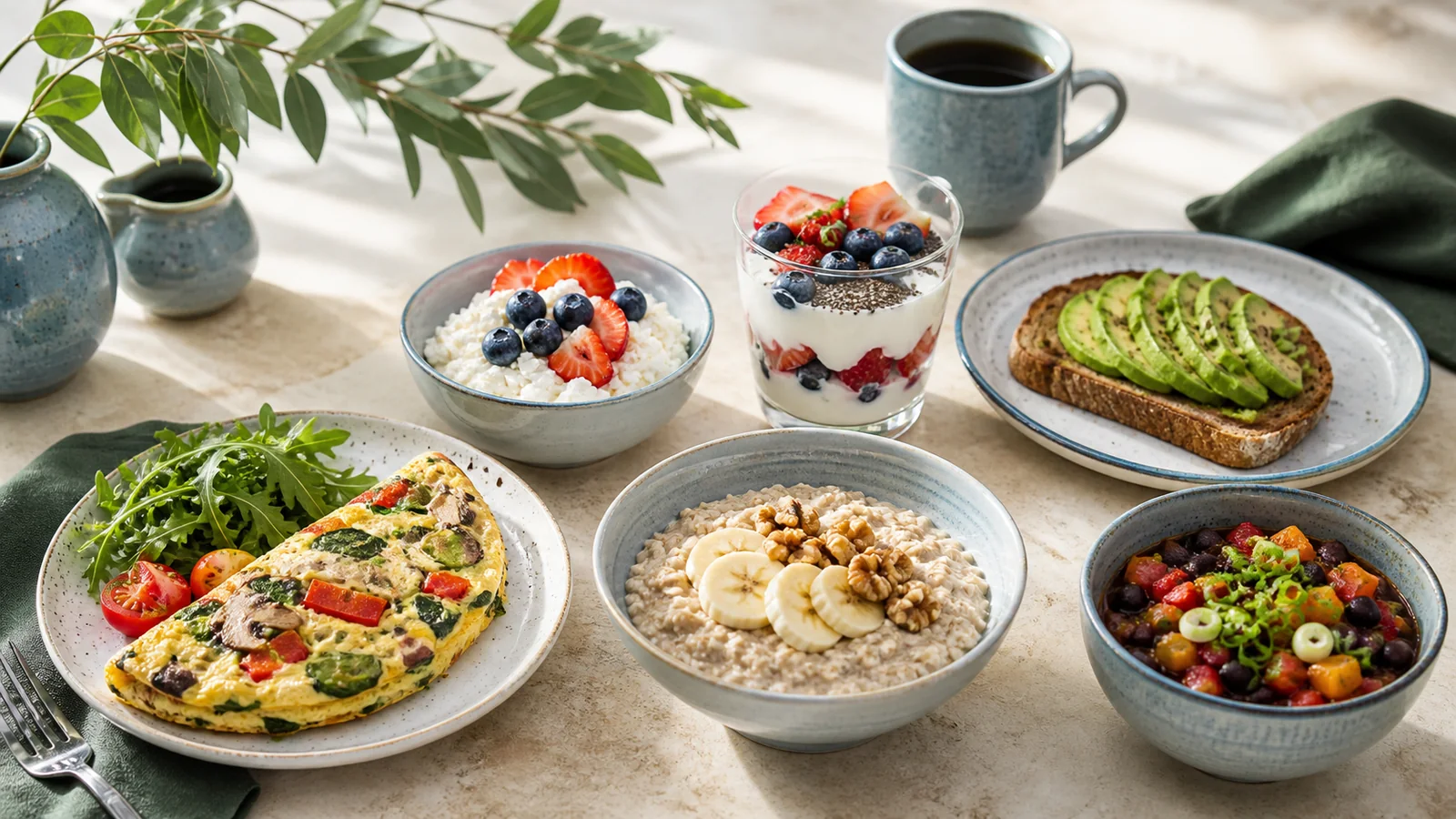
Instead of collecting a long list of “best” breakfasts, use one flexible idea: pair carbohydrate with protein and fiber when those foods fit your plan. A registered dietitian can personalize the portions, timing, and choices around your medication and glucose response.
Quick read
The main idea in one minute
- Look at the complete breakfast instead of searching for one perfect diabetes food.
- Pairing a carbohydrate food with protein and fiber may make a meal more satisfying, but the right amounts differ.
- Medication, glucose patterns, appetite, sleep, work hours, and culture are reasons to personalize breakfast with a dietitian.
General education only
Use this article as a starting point—not a personal nutrition plan.
Nutrition needs can change with your diagnosis, laboratory results, medications, symptoms, culture, schedule, and goals. For guidance that fits your health and everyday life, meet with a registered dietitian before making significant dietary changes.
Want more information for your situation? Schedule a visit with a dietitian
A simpler breakfast question
Ask how the breakfast works together
There is no single “best breakfast” for everyone with diabetes. A useful way to think about breakfast is to look for a protein food, a source of fiber, and any carbohydrate foods in the complete meal. This is a conversation framework, not a required formula.
For some people, pairing these parts may support satisfaction and a steadier routine. The portions and timing still depend on diabetes type, medication, appetite, activity, and glucose response.
If you use insulin or a medicine that can cause low blood glucose, ask the clinician managing it before skipping breakfast or changing when you eat.
Examples, not a menu
Three breakfasts a dietitian could help you adapt
Oats, yogurt, and berries
The oat portion, yogurt type, additions, and glucose response can change how this breakfast fits.
Eggs, vegetables, and toast
A dietitian may review the bread, cooking fat, sodium, hunger, and the rest of your day—not only the eggs.
Ful or labneh with vegetables and pita
Traditional foods can stay in the plan. The recipe, bread, serving style, and medical needs help shape the balance.
Use these examples to notice what is already in your breakfast. They are not recipes, serving instructions, or a promise about your glucose result.
Your mornings are part of the plan
Why your best breakfast may differ from someone else’s
Some people wake up hungry; others take medication, work early, exercise, experience morning glucose changes, have kidney or heart concerns, or prefer cultural breakfasts. A registered dietitian can review the full pattern and choose a realistic place to start.
Explore diabetes nutrition counseling, meet the dietitian team, or verify your benefits. Related reading: Middle Eastern foods and diabetes and how a dietitian builds a prediabetes meal plan.
Clear answers
Frequently asked questions
Is oatmeal okay for diabetes?
Oats can fit many individualized plans. The product, amount, toppings, medication, and glucose response help determine how they fit yours.
Do I have to eat breakfast?
No rule fits everyone. If you use insulin or medicine that can cause low blood glucose, coordinate any change in meal timing with the clinician managing your medication.
Are eggs the best protein for breakfast?
Eggs are one option, not a requirement. A dietitian can consider preferences, allergies, heart or kidney health, culture, and the complete eating pattern.
Keep exploring
Services and related guidance
Choose the next page that best matches your question, or meet with a dietitian for guidance based on your health and routine.
Practical diabetes nutrition
Build breakfasts around your glucose goals and real mornings
Meet with a Healthy All Time registered dietitian to personalize breakfast choices, portions, and timing around your medication, glucose patterns, culture, and schedule.